





Weber came aboard as the company’s first IT adviser and focused on managing employee devices. That first week, he deployed Jamf Pro, an endpoint management tool, and enrolled all company devices to get a clear picture of what hardware and software was in use. To bolster security, he used Jamf to enforce full-disk encryption and deployed screen locks on all laptops.
“I thought, ‘I don’t know what year or model your laptop is, and I’m not going to walk around with a notebook and write down serial numbers,’” says Weber, now senior vice president of IT and security. “Let’s just get mobile device management in place, get everyone managed and then start understanding what I need to do to fine-tune.”
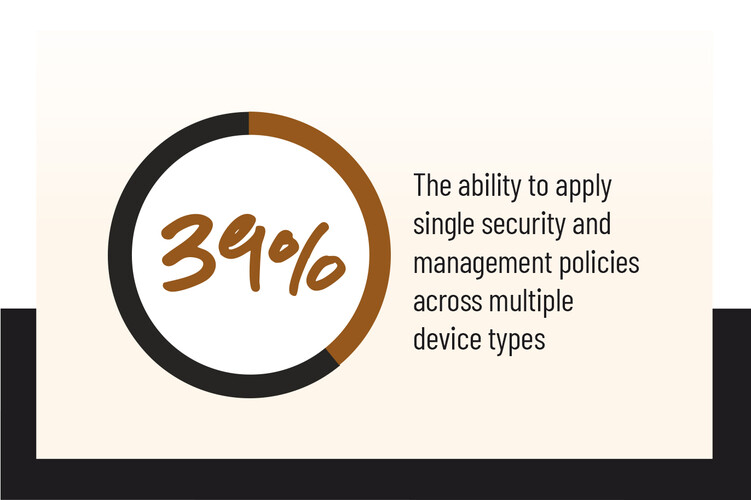
MDM has evolved into unified endpoint management (UEM) software and is especially valuable for small businesses that may only have one IT person, says Forrester analyst Michele Pelino. Today’s cloud-based tools allow businesses to configure, secure and monitor every endpoint — smartphones, tablets, laptops and desktops.
GO DEEPER: Find out if your organization is ready to adopt continuous threat exposure management.
How MDM Evolved Into Unified Endpoint Management
Cloud-based UEM tools let smaller companies easily add devices as the business grows and pay only for what they use. The tools are also critical for managing remote workers’ devices and supporting bring-your-own-device programs. Solutions include Microsoft Intune, Omnissa Workspace ONE, NinjaOne and Samsung Knox Suite.
Besides remote-wipe capabilities, UEM software can automate tasks and enforce security policies, including over the applications employees can install.
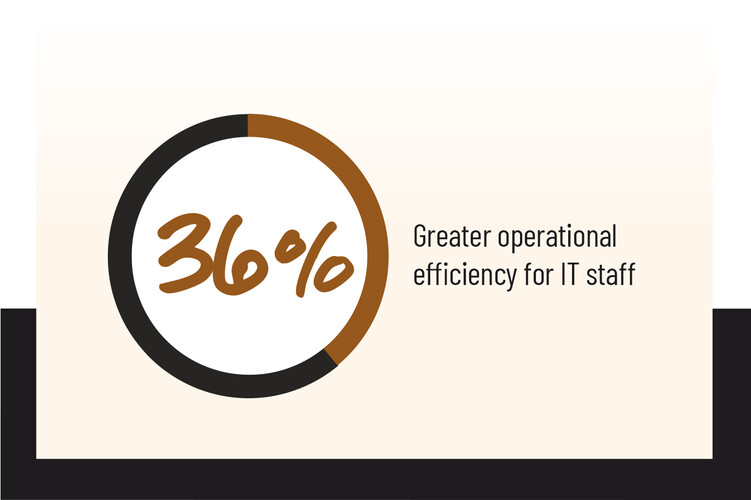
“These solutions reduce the IT management requirements and simplify that with things like intuitive dashboards and automated patching or policy enforcement,” Pelino says.
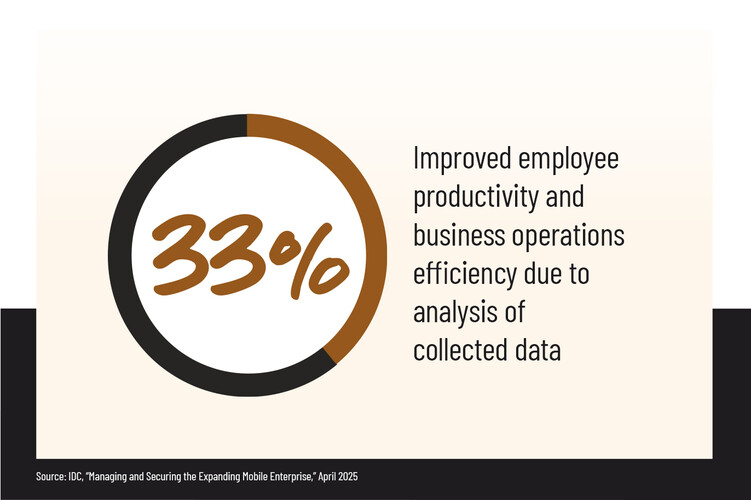
UEM tools also capture telemetry data that helps IT staff see where devices are having connectivity or update issues, understand which locations or device types are affected, and troubleshoot those problems, she says.