
May 01 2026
Security

3 Advantages to Modernizing IAM for Small and Midsize Businesses

Modern identity and access management programs help SMBs improve security, control costs and simplify IT operations.

For small and midsize businesses, managing user identities across multiple applications can quickly become complex — and risky. Limited IT resources, growing security threats and increasing reliance on cloud tools make identity and access management (IAM) a critical priority.

A modern IAM program brings together identity governance, access management and privileged access in a unified, cloud-based platform. With built-in artificial intelligence and machine learning, these solutions help SMBs strengthen security while reducing operational strain and costs.

Here are three key reasons SMB IT leaders should consider modernizing IAM.

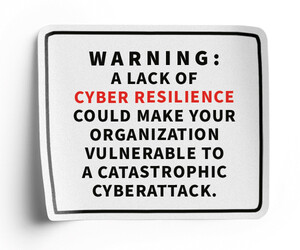
Click the banner below to learn why cyber resilience is essential to enterprise success.


1. Flexible, Cloud-Based Security for Growing Teams

Modern IAM solutions are delivered as Software as a Service, eliminating the need for complex infrastructure. For SMBs, this means faster deployment and the ability to scale as the business grows — without heavy upfront investment.

Cloud-based IAM also supports advanced security features such as multifactor authentication and biometric verification, helping protect against phishing and unauthorized access. These tools are especially valuable for SMBs with remote or hybrid workforces, where secure access from anywhere is essential.

Additionally, AI-driven automation enables role-based access controls aligned to job functions, reducing manual workload for small IT teams.

EXPLORE: The 5 IAM trends to watch in 2026

2. Cost Optimization Without Heavy IT Overhead

Traditional, on-premises IAM systems can be expensive and difficult to maintain — requiring hardware, ongoing updates and dedicated staff. For SMBs, those costs can quickly become unsustainable.

Cloud-based IAM platforms operate on a subscription model, allowing businesses to pay only for what they use. This reduces capital expenses while simplifying maintenance and upgrades. SMBs can achieve faster return on investment while freeing IT teams to focus on strategic initiatives rather than system upkeep.


Source: Source: scworld.com, “IAM survey reveals top implementation challenges,” May 21, 2024

3. Simplified Access With Platform Centralization

Many SMBs rely on a mix of cloud apps, legacy systems and third-party tools — each with separate login credentials and access controls. This fragmentation increases security risks and creates inefficiencies for both users and IT teams.

A modern IAM platform consolidates these systems into a single solution, providing centralized visibility and control. This makes it easier to manage user access, enforce policies and respond quickly to potential threats.

For SMBs with lean IT staffing, centralization reduces administrative burden while improving the user experience across all applications.

recep-bg/Getty Images
Close

New Research from CDW on Workplace Friction

Learn how IT leaders are working to build a frictionless enterprise.