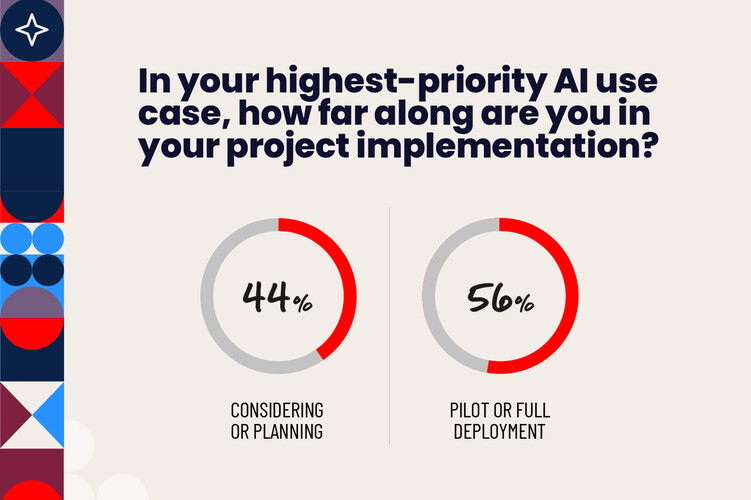






That doesn’t come as a surprise to Sanjeev Aggarwal, founder and partner at SMB Group, a technology research and analysis firm. Many small-business leaders have “been playing around with it at home, personally, and they see some of the things it can do for them in their personal life,” he says. “They are thinking, ‘If it can help me in my daily life, why can’t small businesses use AI at work?’”
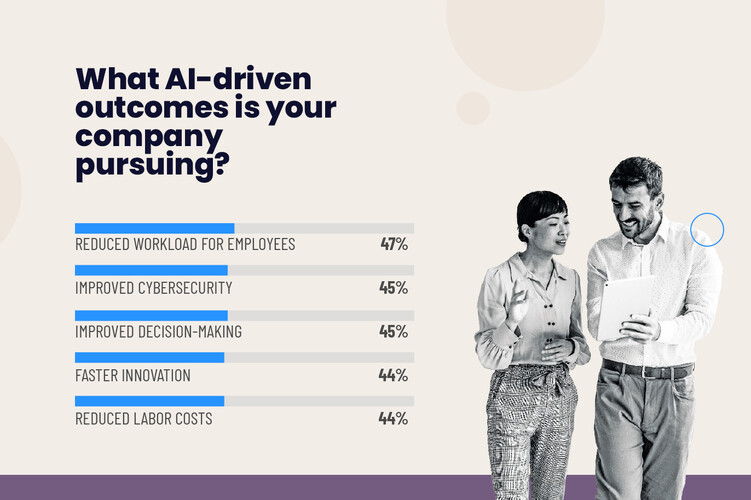
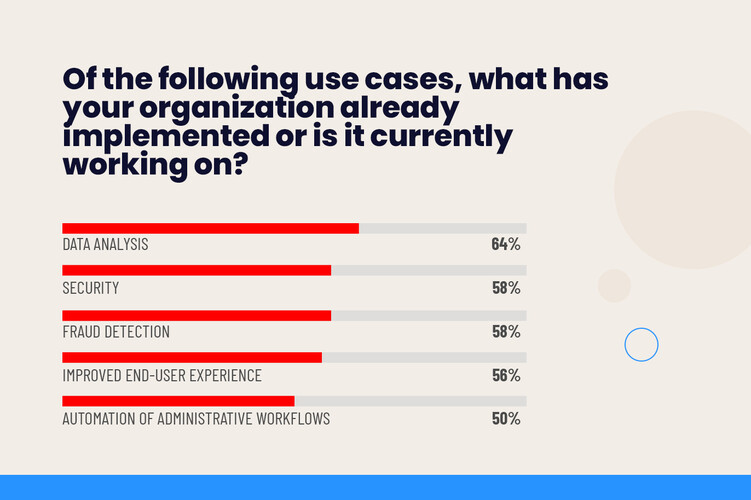
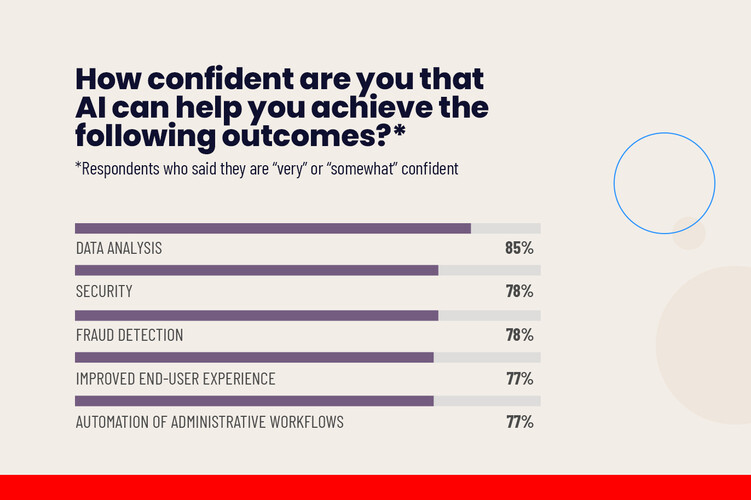
Small businesses are in fact looking to AI to drive a range of improvements, from better cybersecurity and fraud detection to elevated customer service and business decision-making. Media interest may be helping drive their strong confidence that AI will be valuable across such a wide range of business outcomes.
“There’s a lot of hype around it. It’s everywhere: On the news, online, AI is making a big splash. And a lot of the hype is real,” says Tracy Hardin, author of How to Manage IT In Your Business and a member of the NAWBO Circle program, a peer group for women business owners. “That’s where a lot of the interest comes from.”
All of that adds up to a moment in which small businesses find themselves on the leading edge of tech adoption. “SMBs are more committed to AI than anyone else. They are using AI to work smarter and not harder,” says Natalia De Greiff, general manager for the U.S. central market at IBM.
DISCOVER: Turn data into insights and accelerate artificial intelligence initiatives.
Small Businesses Are Strategic About AI
When generative AI burst onto the scene in late 2022, the pressure to “do something” with AI was intense. But acting rashly risks making mistakes: A documented strategy is essential for AI success, says De Greiff.
“People are asking, ‘Why are we chasing AI? How can we make sure that we are successful?’ To do that, they need to fully understand their business priorities and invest in technology in a way that aligns with their fundamental values and their business objectives,” she says.
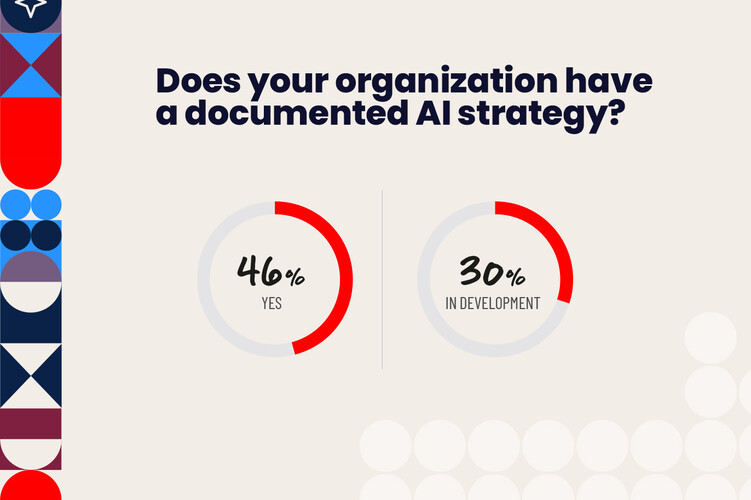
An AI strategy provides that grounding. Recognizing this, CDW research finds that three-quarters of small businesses have an AI strategy in place or in development.
A strategy will help ensure that AI-driven applications don’t leak sensitive information. With many AI tools, “they take the information you share with them, and it’s accessible to other people,” Hardin says.
“I know somebody that got into AI and did a little research on a company she previously worked for, and she found all their HR information: All the employees’ names, addresses, phone numbers. It was right there. All she had to do was ask AI,” she says. A strategy will define the tools and processes that protect against this sort of thing.