



Apr 16 2026
Artificial Intelligence

Exclusive Data: Small Businesses Strive To Leverage AI, but Challenges Abound

The goal is greater efficiency and resilience via reduced friction, yet the path is bumpy.

Small to medium-sized businesses (SMBs) are at something of a crossroads as they look to make the most of emerging technology.

New research from CDW points to an urgent interest in leveraging artificial intelligence to improve productivity, elevate security and automate routine tasks. “They view AI as a supplemental tool to help improve efficiency and help their employees do more,” says Molly Brogan, vice president of public affairs at the National Small Business Association.

It’s easy to see the appeal here: AI is a means to an end, as small businesses see it, and the goal is greater efficiency through the reduction of friction. “SMB employees tend to wear many hats and are overwhelmed by the wide variety of tasks they need to juggle simultaneously. AI can help by automating manual, rote processes that take up a lot of time and are repetitive,” says Elisabeth Clemmons, a research analyst for IDC’s Worldwide Small and Medium Business Markets program.

Click the banner below to explore the solutions you need to give everyone a seat at the table.


But many small businesses report they face hurdles as they look to AI help them chart a path forward. “There are lots of challenges and bottlenecks,” Clemmons says. From IT complexity to underskilled staff, many are facing roadblocks in their efforts to modernize.

To understand both the peril and the potential coming into 2026, it’s worth taking a deep dive into the data.

Small Businesses Struggle With AI

Small businesses report they are struggling with technology as they look to ramp up their AI efforts.

Friction with IT tools and IT operations reduces the ability to be more productive and secure. Respondents say such friction increases security risks, slows innovation and erodes the employee or customer experience.

“They are aware that the threat landscape is evolving and that they lack the in-house expertise to keep systems up to date, to identify weak points,” Clemmons says. “A lot of SMBs are therefore looking to AI also as a means of managing their tech stacks more securely and providing smart threat detection.”

IT complexity hits the bottom line, driving increased operational costs (48%), reduced productivity (56%) and inefficient workflows (46%).

GO DEEPER: Why is customer service the focus of most digital transformation projects?

“They’re looking for the best way of achieving a competitive advantage,” but “it’s still challenging for a lot of them to navigate how it all intersects,” says Holly Wade, executive director of the Research Center of the National Federation of Independent Businesses.

While AI can help here, it also adds to the complexity. “There are so many new products in the AI sphere, it takes a lot of time and resources for small business owners to figure out which is best suited for their business and their industry,” Wade says.
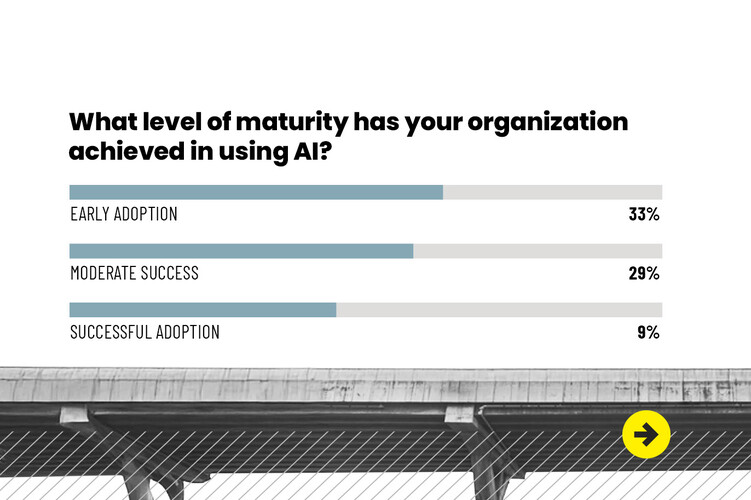
 

AI Is Imperative for SMBs, But Challenging

Many small businesses say they are looking to technology modernization in general and AI in particular to close the gap on these challenges and help them meet their business objectives. “Many small business owners realize that they are going to have to continually incorporate AI technology into their businesses in the future,” Wade says.

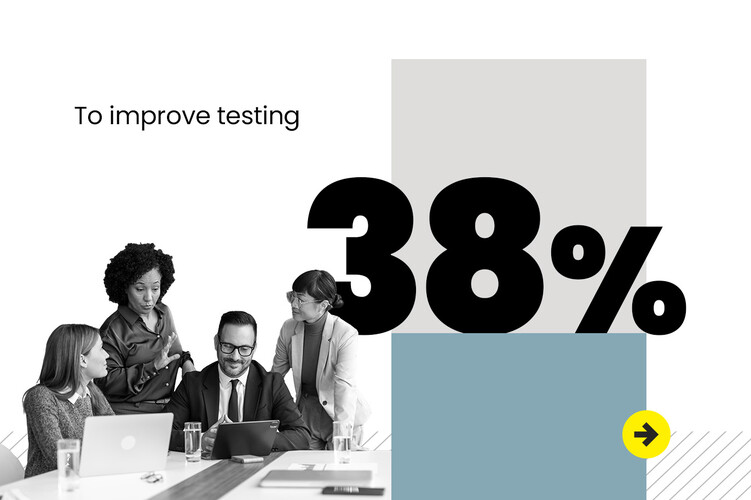
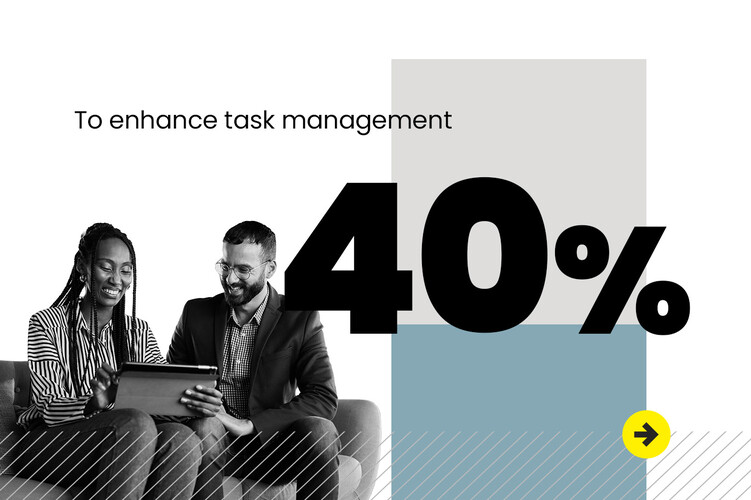
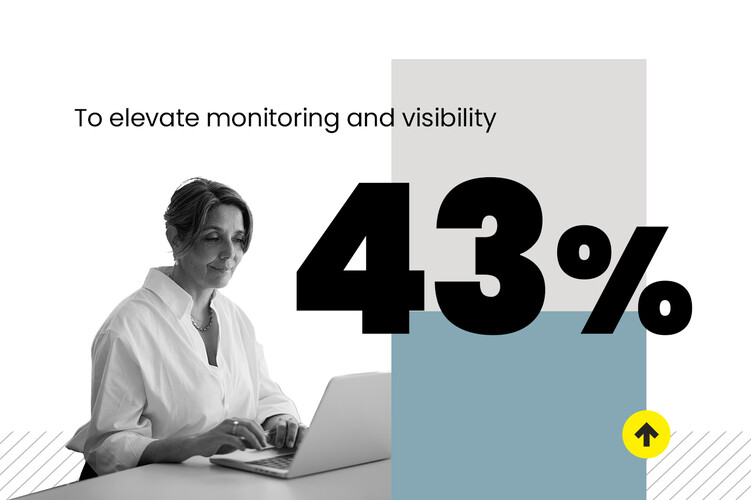
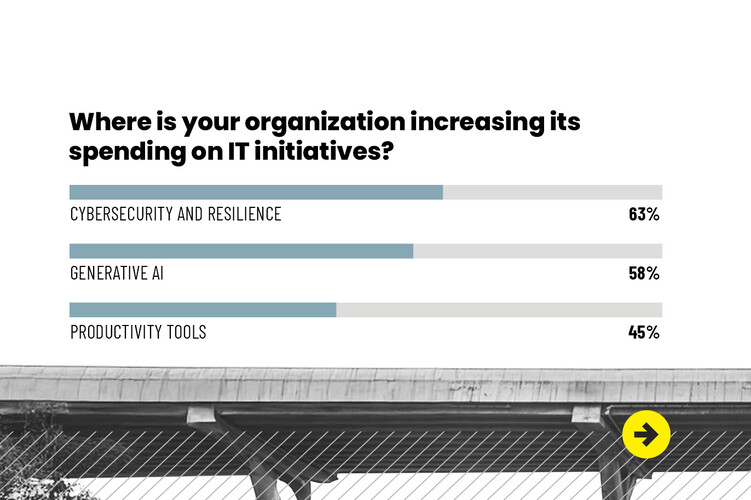
Fifty-eight percent report they are increasing spending on generative AI. Their other top IT priorities — cybersecurity and resilience and improved productivity — likewise are apt to incorporate AI capabilities. For example, 38% say they’re looking to AI to improve automated testing, 40% say it will enhance task management, and 43% expect it to elevate monitoring and visibility.But AI adoption is proving to be a challenge for some. “A lot of SMBs want to implement fancy AI technology, but this is very difficult if their systems are not appropriately modernized,” Clemmons says. “This leads to increased operational costs, inefficient workflows and process breakdowns, weaker security posture, and overall blockades to growth, as IT teams spend time firefighting instead of enabling the business.”

The survey findings confirm that SMBs are struggling here, with most still in the early stages.

UP NEXT: Learn why customer experience technology is vital for hybrid work. 

Why the Skills Gap Is a Critical AI Barrier

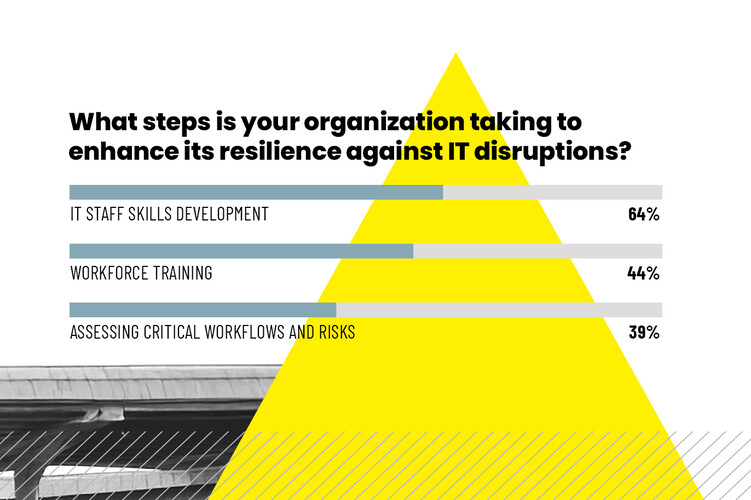
As small businesses look to ramp up AI, many say they are focused on the human element, ensuring that their people are coming along for the ride, with 51% investing in employee training and upskilling as a way of reducing workplace friction.

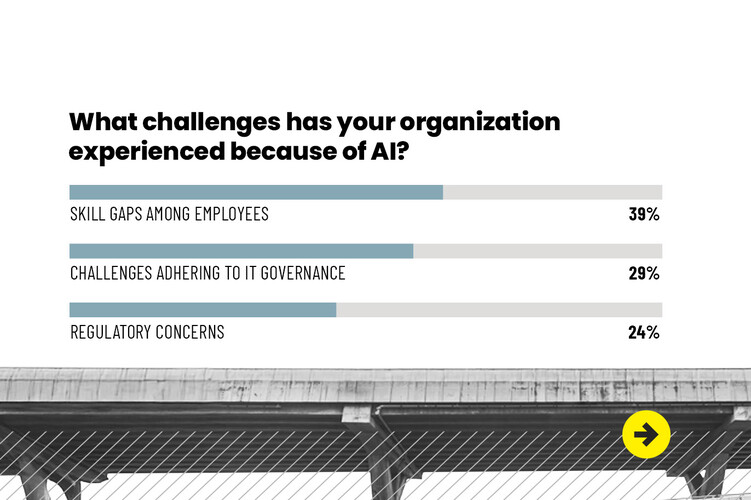
Experts say this approach makes good sense. “When they are hiring new employees or implementing new technology, training is a huge piece of it. They’re incorporating new technology, often with staff who don’t know what to do with it,” Wade says. In fact, an employee skills gap is the top challenge small organizations cite when it comes to incorporating AI into the business.

Small businesses may find their efforts hindered by “employees who have no experience working with AI, who then have to get up to speed on what is a rapidly changing technology,” Brogan says. An intentional focus on training “inherently brings with it resilience, a ‘You can do hard things’ kind of mentality.”

In a small-business environment, “training is critical,” Wade says. “It’s important for employee retention. It’s obviously important for incorporating new technologies to get as much out of their investment as possible.” At the same time, training itself can be a challenge because of the “often limited staff that they have and the limited amount of time the owner has,” she says. “Most training is done by the business owner or by their most highly productive employee, which takes time away from that employee doing other things.”

Yet a focus on the human element is essential to success. “Lack of skills and expertise is the biggest challenge to AI adoption,” Clemmons says. “Many of these SMBs lack in-house IT staff, and therefore don’t have critical skills needed to implement and integrate AI solutions into the business — whether that’s data science skills or cloud/data architecture, MLOps expertise and so on. This can lead to half-baked implementation, and AI tools will ultimately be deployed incorrectly, leading to potentially siloed AI outputs that fail to drive action, or that fail altogether.”

Ultimately, “AI is a change management story,” she says. “Its success depends as much on people as on technology. Even the most advanced systems will fail if employees don’t understand, trust and use them correctly.”

RELATED: Learn how artificial intelligence can empower teams to do more with less. 

SMBs Focus on Cyber Resilience

Small businesses are focused on eliminating systems failures of all kinds. That means paying attention to resilience, and building resilience means increasing employees’ skills.

“Operational friction and poor integration with legacy systems are absolutely top barriers to SMBs’ business goals,” Clemmons says. “Many of these systems are not kept up to date, and the limited IT staffers cannot necessarily maintain them due to resource constraints. Training, modernization of legacy systems, automation of integration” — all these are means to overcoming this friction, she says, helping small businesses “to empower their entire organization to adopt these new tools more confidently while lowering the overall risk.”

The survey data suggests SMBs are moving in the right direction in terms of AI adoption and are taking the needed steps to ensure they can get to the next level effectively. “It’s important to note that the learning curve here is significant, but small business owners don’t shy away from big tasks,” Brogan says.

“It takes a commitment and an understanding that this can be challenging and frustrating — but the employee training, IT upgrades and AI integration provide significant opportunities for growth, especially when done in a holistic manner,” she says. “And that’s something small businesses excel at: taking a complete look at the business and harnessing all areas that can help improve it.”

Getty Images: Tzido, vik173
Close

New Research from CDW on Workplace Friction

Learn how IT leaders are working to build a frictionless enterprise.